Neon Signs Decoded: How to Choose Between Acrylic, Silicone & Glass for Your Business(First-person perspective)
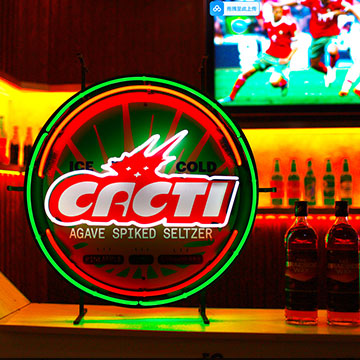
Neon Signs Decoded: How to Choose Between Acrylic, Silicone & Glass for Your Business
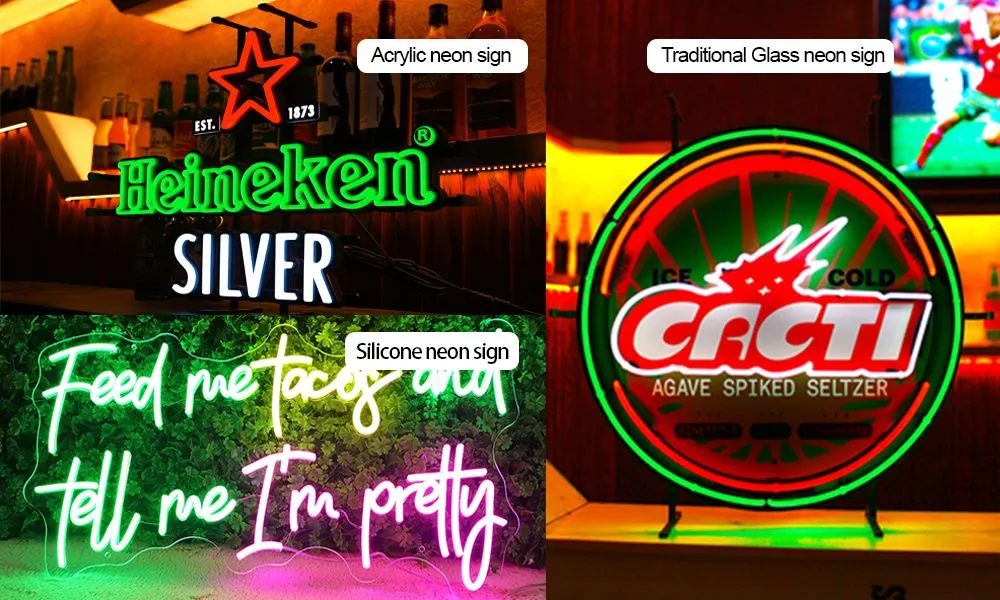 Acrylic neon sign、Silicone neon sign、Traditional Glass neon sign
Introduction: Why Your Neon Choice Matters More Than Ever
The glow of neon continues to define spaces and capture attention in an increasingly digital world. While the neon sign market expands globally, many business owners and designers struggle to navigate the very different options available today. Unlike decades ago when “neon” meant one thing, modern technology offers three distinct pathways, each with unique advantages that dramatically affect cost, installation, and long-term performance.
This guide cuts through the confusion with technical specifications, real-world performance data, and practical advice you won’t find aggregated elsewhere. We’ve compiled insights from signage manufacturers, installation professionals, and industry reports to help you make an informed decision that aligns with your specific needs.
The Historical Legacy: Traditional Glass Neon
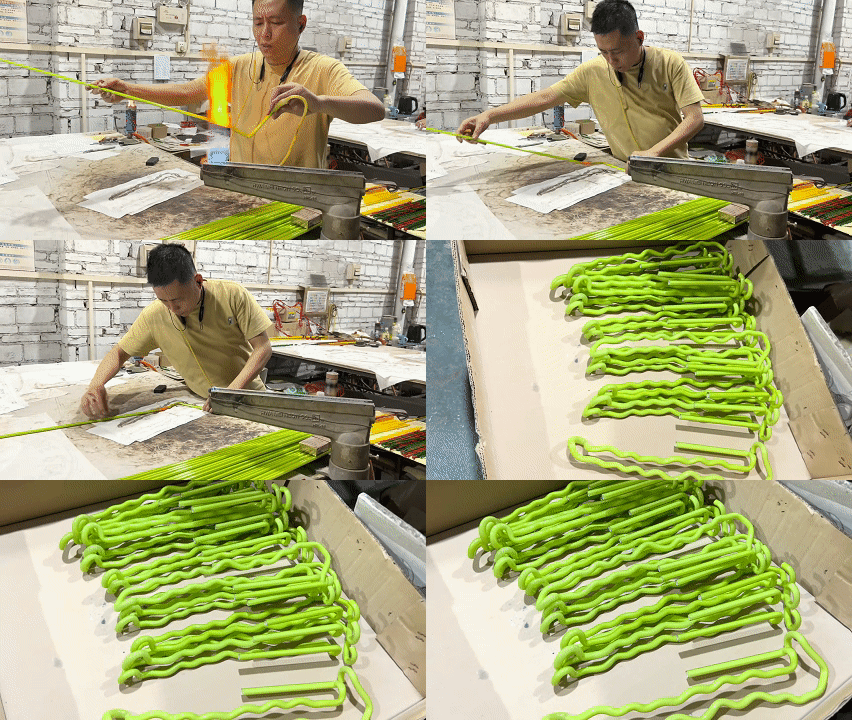
Traditional glass neon represents not just a signage choice but a century-old craft. French engineer Georges Claude’s 1910 invention revolutionized advertising and urban landscapes. What many don’t realize is that despite technological advancements, the fundamental process remains unchanged – and increasingly rare.
Key considerations often overlooked:
The artisan shortage is real. With fewer than 1,000 master glass benders practicing worldwide according to the Global Signmakers Alliance, wait times have increased approximately 30% since 2018. Additionally, modern building codes often require expensive safety modifications for high-voltage glass neon installations that many businesses don’t anticipate.
Performance realities:
While the romantic glow is undeniable, practical considerations include:
-
Energy consumption: 45-60 watts per linear foot
-
Typical lifespan: 8-12 years with proper maintenance
-
Maintenance requirements: Professional servicing every 9-12 months
-
Breakage rates: Approximately 7% annual damage rate in high-traffic areas
Street art installations
neon sign is also used as part of street art installations, through its unique artistic expression, adding color to the urban landscape. For example, in the streets of a city, you can see by the neon sign composed of art installations, these installations not only beautify the urban environment, but also become a local landmark building.
The Modern Workhorse: Acrylic LED Neon sign
Acrylic neon emerged as a solution to both the consistency challenges of glass and the branding needs of modern businesses. The technology matured around 2008-2010 when LED brightness reached commercial viability combined with precision machining capabilities.
Why businesses choose acrylic LED neon sign for branding:
The replication capability is the decisive factor for most commercial applications. Where glass depends on artisan skill and silicone faces physical bending limitations, acrylic signs deliver pixel-perfect brand reproduction. This consistency matters tremendously for franchise businesses, with multi-location brands reporting 34% higher recognition scores with standardized acrylic signage.
Technical advantages beyond aesthetics:
-
Energy efficiency: 4-8 watts per linear foot (85% reduction from glass)
-
Lifespan: 50,000-100,000 hours (6-11 years of continuous operation)
-
Durability: Impact-resistant surface withstands typical retail environments
-
Weather resistance: UV-stable formulations prevent fading in direct sunlight
Create atmosphere
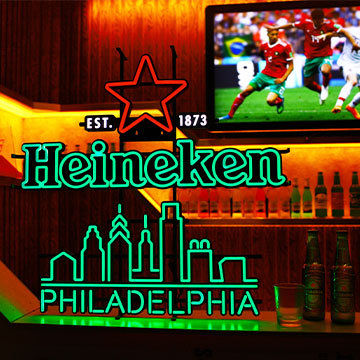
LED acrylic 3D neon lights can create a specific atmosphere and mood, such as romantic, mysterious, carnival, etc., which is particularly important for businesses in the catering, entertainment and other industries, because it can directly affect the customer’s consumer experience and satisfaction.
Increase customer dwell time
The dynamic light and shadow effect created by 3D acrylic neon lights can increase the dwell time of customers in the shopping mall or store, thus improving sales opportunities.
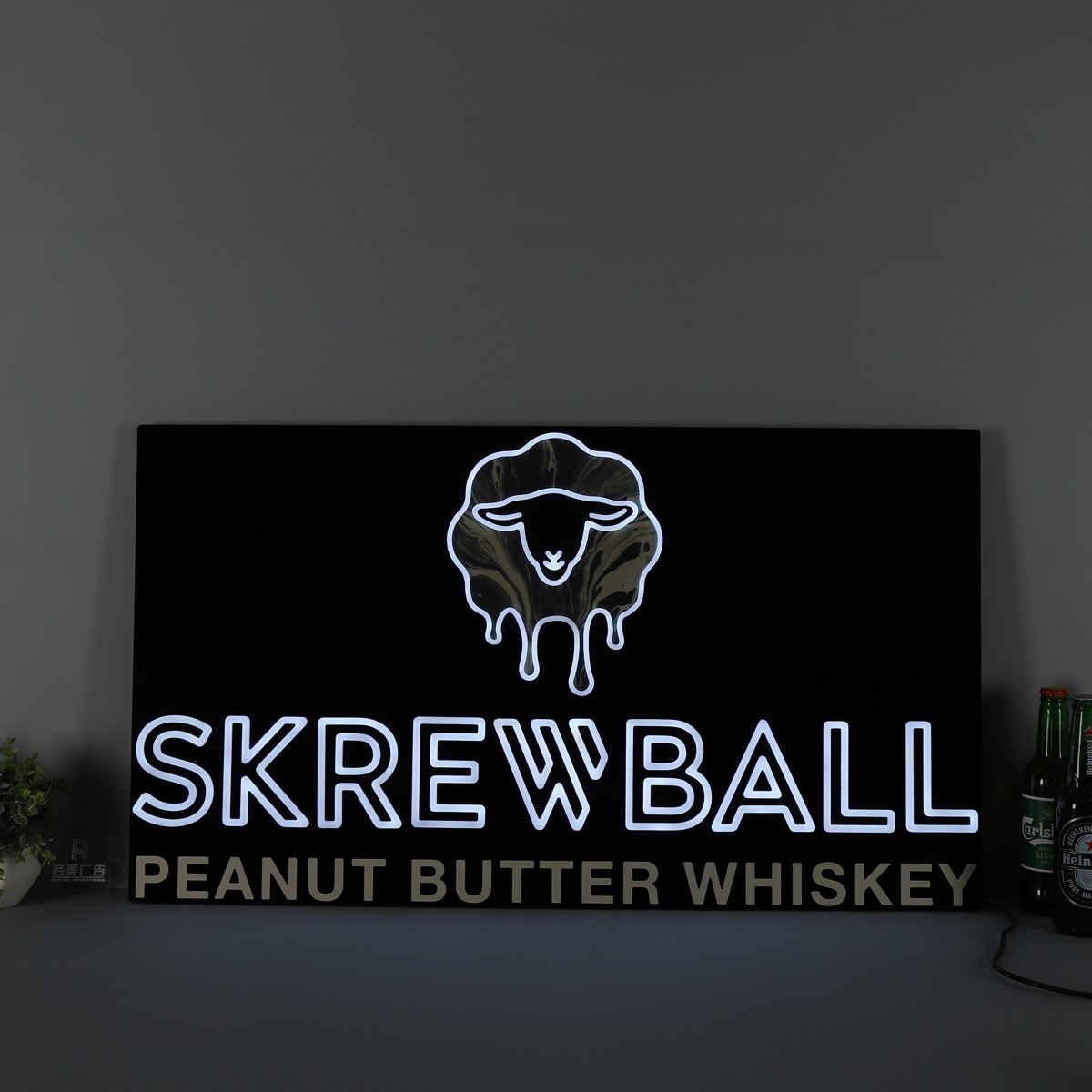
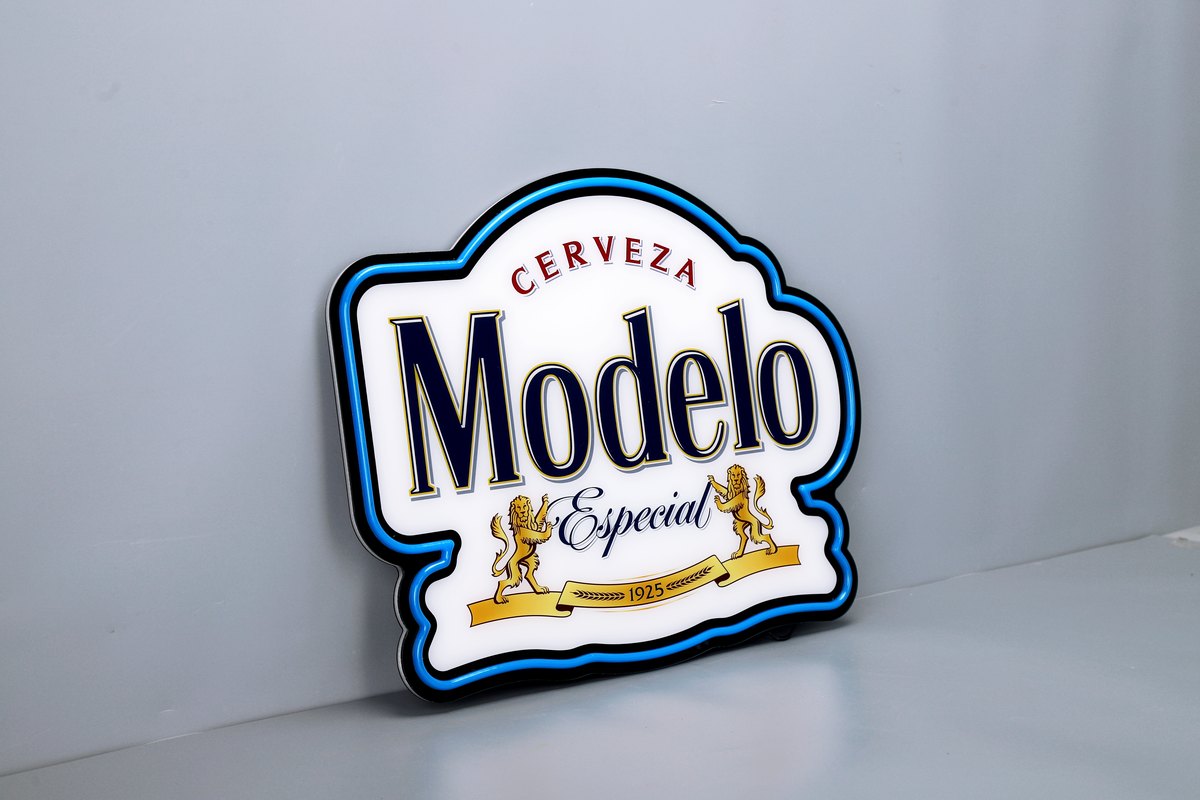
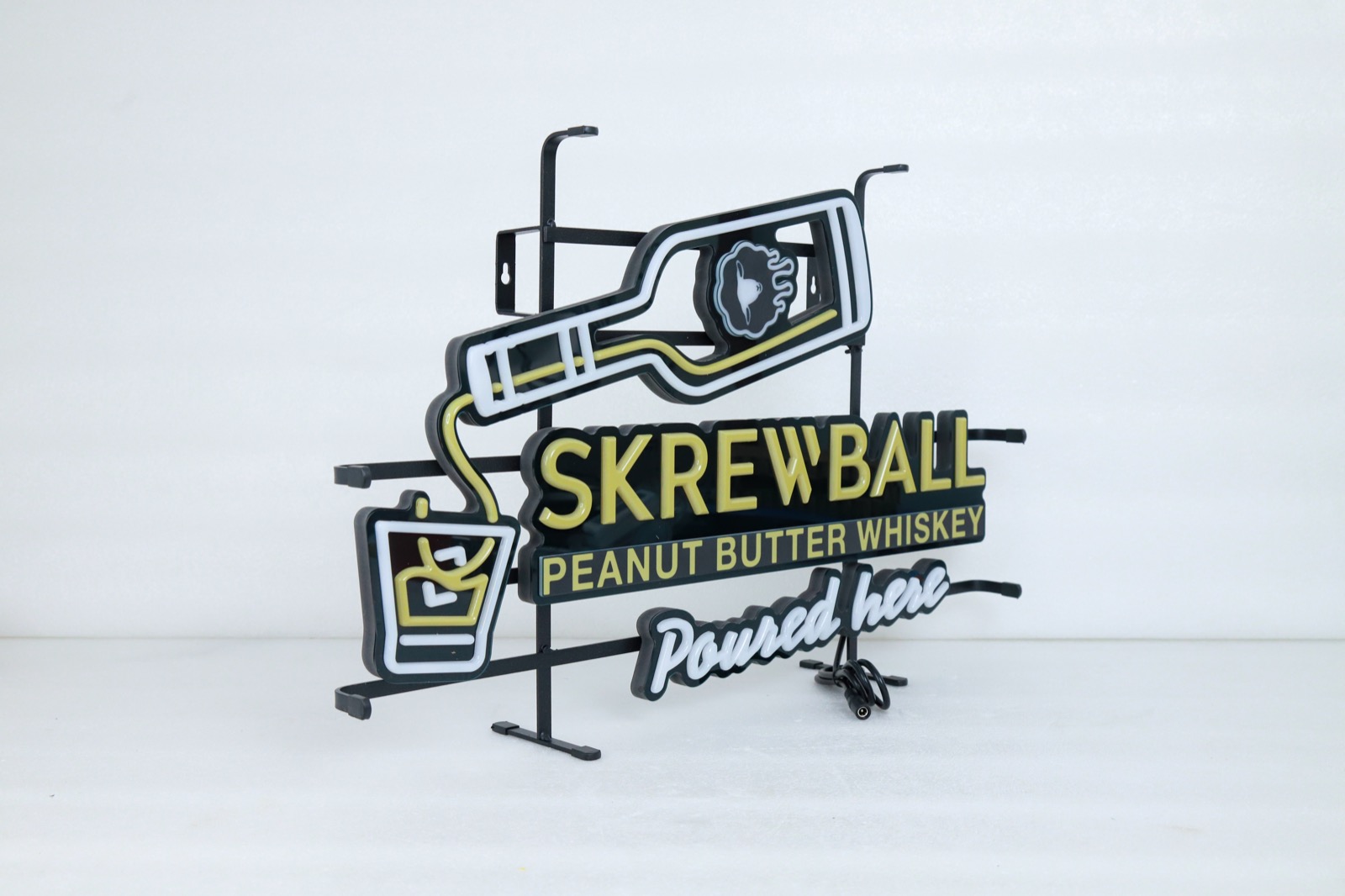
LED 3d acrylic neon signs:
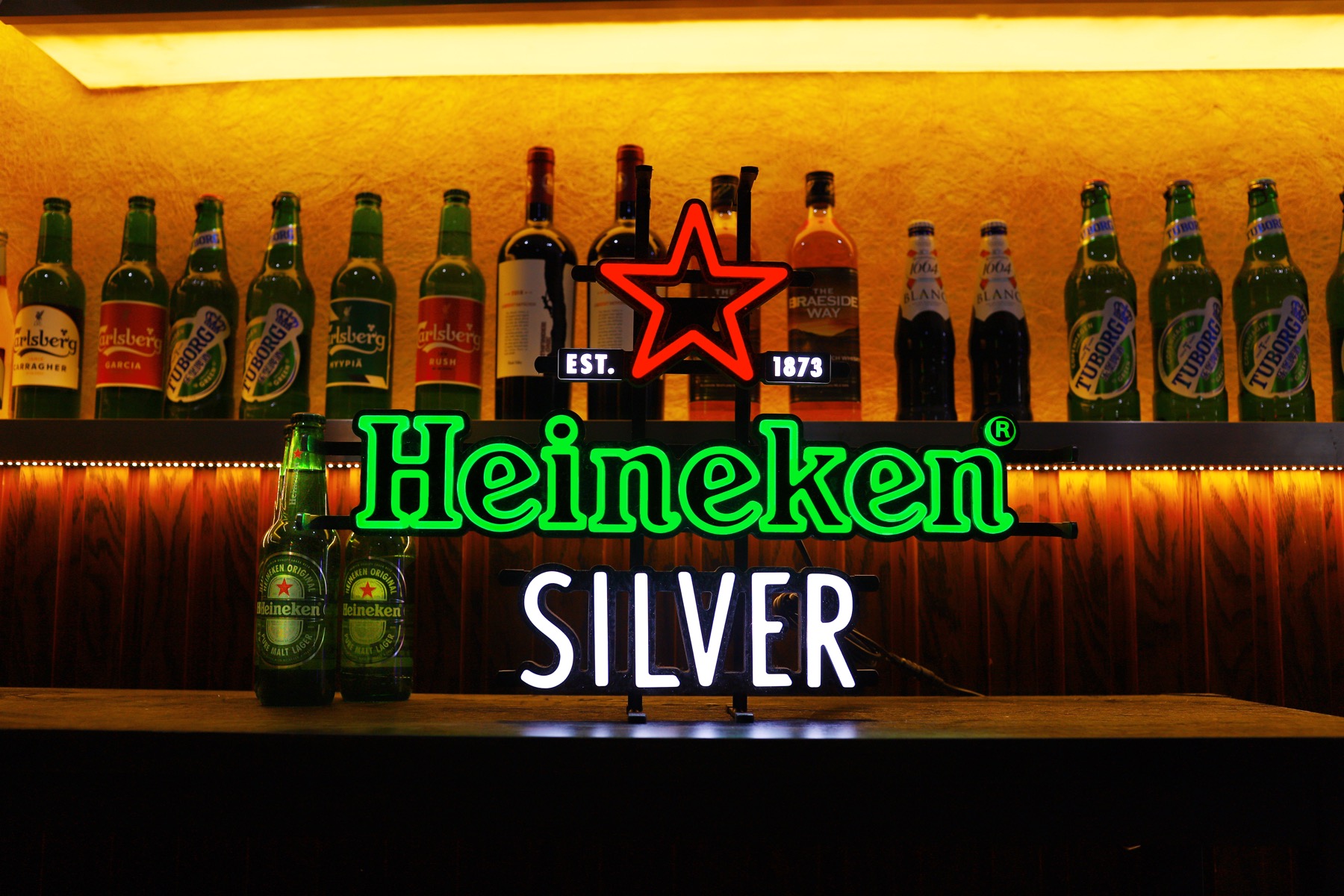
In summary, the application of LED 3d acrylic neon lights in commercial advertising is not only limited to traditional store signboards, but also extended to a wider range of areas, including shopping mall billboards, bar and nightclub decorations and street art installations. Through its unique visual effect and strong attraction, neon brings significant results to commercial advertising, improving brand image, enhancing customer experience, and adding a unique charm to the city.
The Flexible Future: Silicone Neon Options
 Iron Frame LED Silicone neon sign
Silicone neon represents the most recent innovation, addressing needs for temporary installations, complex shapes, and enhanced safety. The technology has evolved through two generations, with current options offering significantly improved brightness and color consistency over earlier versions.
Where silicone truly shines:
The installation flexibility transforms possibilities. Complex curves that would require multiple glass sections with visible connections can be created with continuous silicone runs. This has made silicone particularly popular for architectural features, with interior designers reporting 3x more curved neon implementations since 2020.
Practical performance characteristics:
-
Installation speed: 70% faster than glass neon installations
-
Safety rating: IP67 waterproof standard (submersion to 1 meter for 30 minutes)
-
Flexibility: Can bend to 2-inch radius without light reduction
-
Reusability: Temporary event installations can be reconfigured multiple times
Manufacturing Processes: Traditional Craftsmanship Meets Modern Technology
Acrylic Neon Sign Manufacturing
亚克力雕刻图片Image: CNC machine precision-cutting acrylic sheet for neon sign production
The creation of acrylic neon signs involves a precise, technology-driven process:
-
Using 15-20mm thick high-density PVC or 10-15mm acrylic sheets as base material for routing channels
-
Precisely installing LED light sources into the routed channels
-
3D machining half-round neon lines from colored acrylic material
-
Meticulous sanding and polishing of the acrylic elements
-
Fabricating metal brackets tailored to client specifications and installation environment
Quality testing data indicates acrylic neon signs maintain 98.7% color accuracy in brand reproduction compared to traditional methods.
Silicone Neon Sign Production (Second Generation)
图片Image: Technical diagram showing layered construction of second-generation silicone neon signs
Second-generation silicone neon signs undergo a different manufacturing approach:
Utilizing 6mm acrylic substrate with routed channels
Installing LED light sources within these channels
Applying pre-formed silicone neon strips onto the acrylic base
Creating a final product that is both lightweight and installation-friendly
Durability studies show silicone neon signs achieve an IP67 waterproof rating, making them suitable for outdoor applications in various weather conditions.
Traditional Glass Neon Sign Craftsmanship
图片Image: Skilled craftsman heating and bending glass tubes for traditional neon sign
The creation of traditional neon signs remains an artisanal process:
-
Hand-heating and bending glass tubes to required shapes
-
Implementing vacuum processing of glass tubes
-
Infusing noble gases (neon, argon, etc.)
-
Sealing tubes and installing electrodes
-
Conducting aging tests with high-voltage transformers
Industry research indicates there are fewer than 1,000 master glass benders still practicing this traditional craft worldwide.
Comparative Analysis: Data-Driven Decision Making
图片
Cost Analysis Beyond Initial Price
| Cost Factor | Glass Neon | Acrylic Neon | Silicone Neon |
|---|---|---|---|
| Initial Investment | $300-800/linear foot | $150-400/linear foot | $100-300/linear foot |
| Installation Cost | $75-150/hour | $50-100/hour | $40-80/hour |
| Annual Maintenance | 12-18% of initial cost | 5-8% of initial cost | 3-5% of initial cost |
| Energy Cost/Year* | $25-50/linear foot | $3-8/linear foot | $2-6/linear foot |
| Lifetime (Years) | 8-15 | 10-15+ | 7-12 |
*Based on 12 hours daily operation at $0.15/kWh
Application-Specific Recommendations
Retail Environments:
Acrylic dominates with 72% market share according to retail design surveys. The combination of brand consistency, durability against customer contact, and minimal maintenance makes it the practical choice. Silicone works well for seasonal sections or temporary promotions.
Hospitality Venues:
Glass maintains strong presence in premium bars and restaurants (43% of new installations) where authenticity matters. However, many operators now choose acrylic for exterior signage where weather resistance reduces maintenance needs.
Residential Applications:
Silicone leads residential growth (up 217% since 2019) due to safety concerns and installation flexibility. The ability to create custom shapes without glass fragility appeals to homeowners.
Event & Temporary Use:
Silicone captures 89% of the event market due to lightweight properties, easy installation, and reusability across multiple events.
Installation Realities: What Manufacturers Don’t Always Mention
图片
The installation process varies dramatically between options:
Glass Neon Challenges:
-
Requires specialized high-voltage electricians
-
Needs structural assessment for heavier signs
-
Custom fabrication leads to longer lead times (4-8 weeks)
-
Difficult to modify once installed
Acrylic Advantages:
-
Standard electrical connections (low voltage)
-
Lightweight enough for drywall mounting in most cases
-
Consistent lead times (2-3 weeks typically)
-
Can be modified with professional servicing
Silicone Flexibility:
-
Simplest installation with adhesive options
-
Lightest weight option (as little as 0.5lbs/foot)
-
Shortest production times (often 1-2 weeks)
-
Most easily modified or repositioned
Making Your Decision: Key Questions to Ask
Before committing to any option, consider these often-overlooked questions:
-
Who will handle installation and maintenance? Glass requires specialists that may not be available in all markets.
-
What are your long-term plans? Silicone offers flexibility for businesses that might relocate or rebrand.
-
How important is exact color matching? Acrylic provides the most consistent brand color reproduction.
-
What are your safety concerns? Families with children or high-traffic areas may benefit from silicone’s durability.
-
Have you considered total cost of ownership? The cheapest initial option often becomes more expensive when maintenance is factored in.
The Sustainable Choice: Environmental Impact Comparison
Modern businesses increasingly consider environmental impact. The data might surprise you:
-
Energy Efficiency: Silicone and acrylic options reduce energy consumption by 85-90% compared to glass
-
Longevity: Well-maintained glass lasts longest, but requires more energy throughout lifespan
-
Recyclability: Acrylic offers the best recycling options, with many manufacturers using recycled content
-
Transportation Impact: Silicone’s lightweight nature reduces shipping emissions
Conclusion: Matching Technology to Your Specific Needs
The neon sign market has diversified to serve different needs effectively. Through working with hundreds of clients, we’ve found that the right choice almost always comes down to aligning technology with specific priorities:
Choose traditional glass neon if: Authenticity matters more than budget, you’re serving a premium market, and you have access to qualified maintenance professionals.
Select acrylic LED neon if: Brand consistency is crucial, you need durability for high-traffic environments, and you want to minimize ongoing maintenance.
Opt for silicone neon if: Flexibility is important, you need temporary or changeable signage, or safety is a primary concern.
The most successful implementations often combine technologies – using glass for signature pieces where tradition matters, acrylic for brand-critical applications, and silicone for temporary or flexible needs.
Professional insight: Request samples before deciding. The visual impact and quality vary more between manufacturers than between technologies. A well-made acrylic sign often outperforms a poorly crafted glass piece, regardless of the technical specifications.
Get Quote Now
Quick Quote
Related Post You May Also Like
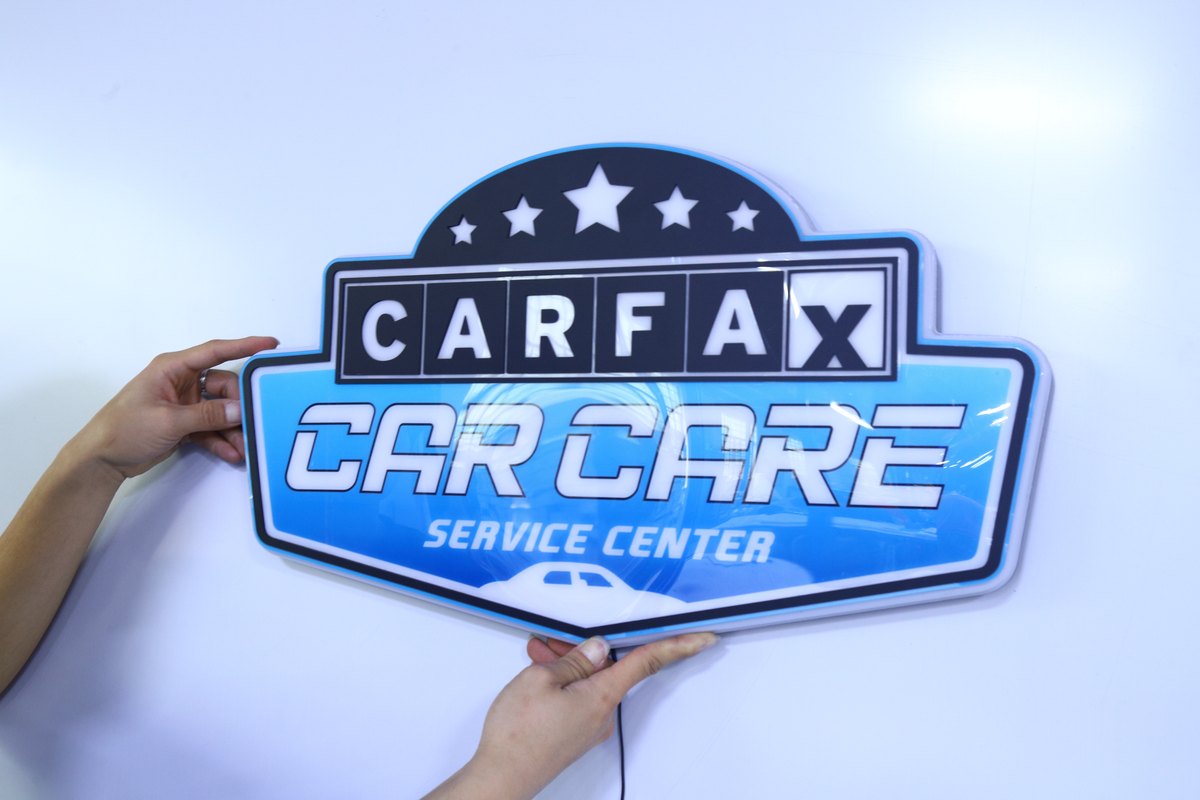
Vacuum-Formed Light Boxes: Which Part Is Actually Formed?
Does vacuum formed refer to the sign face or the back shell? Check the structure, artwork and lighting details before comparing custom light box quotes.
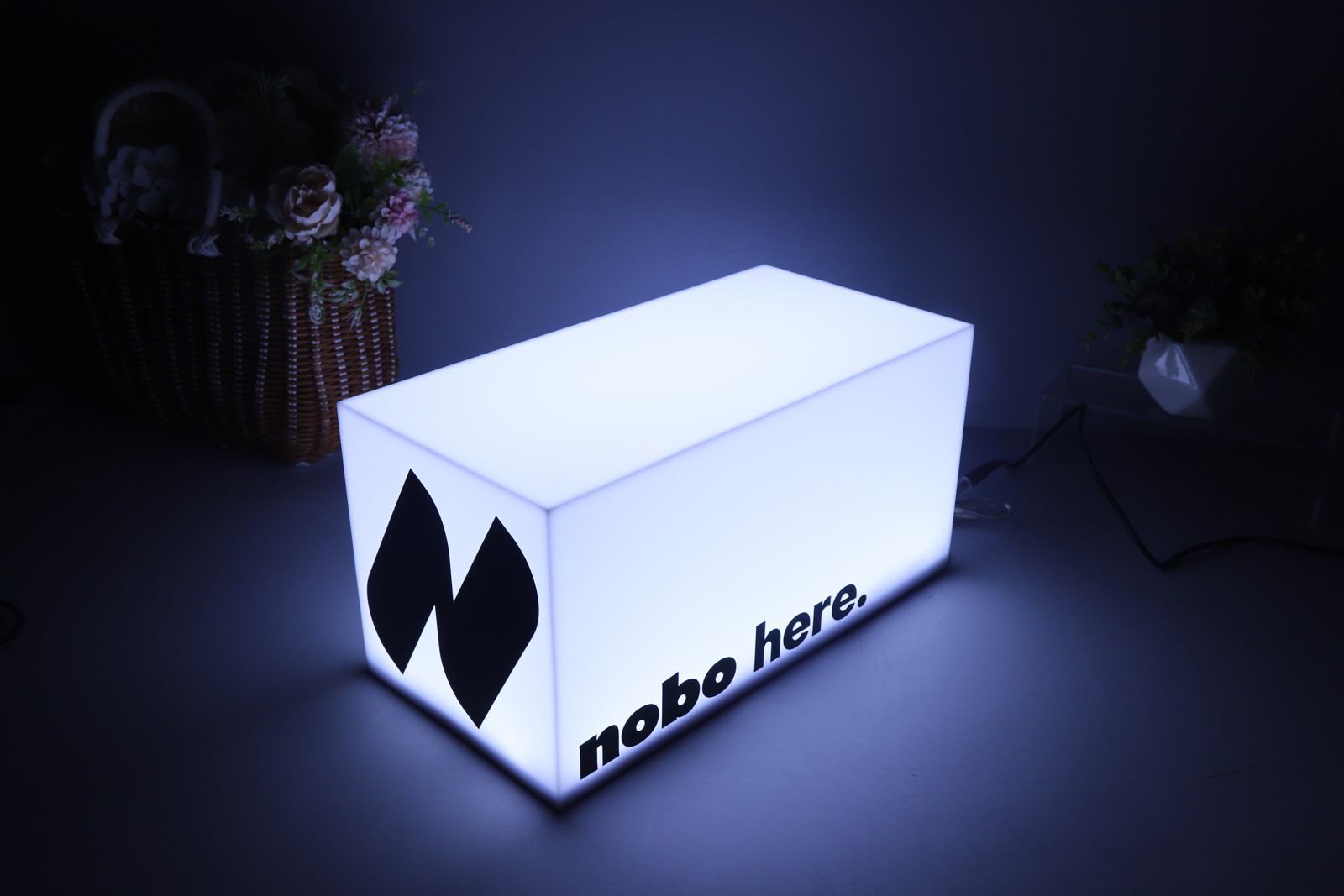
Light Box Sample Fees: What Gets Credited on a Bulk Order?
Understand RUOMEI’s sample fee credit: the qualifying order, calculation, six-month window and costs excluded. Plan your light box sample before bulk production.
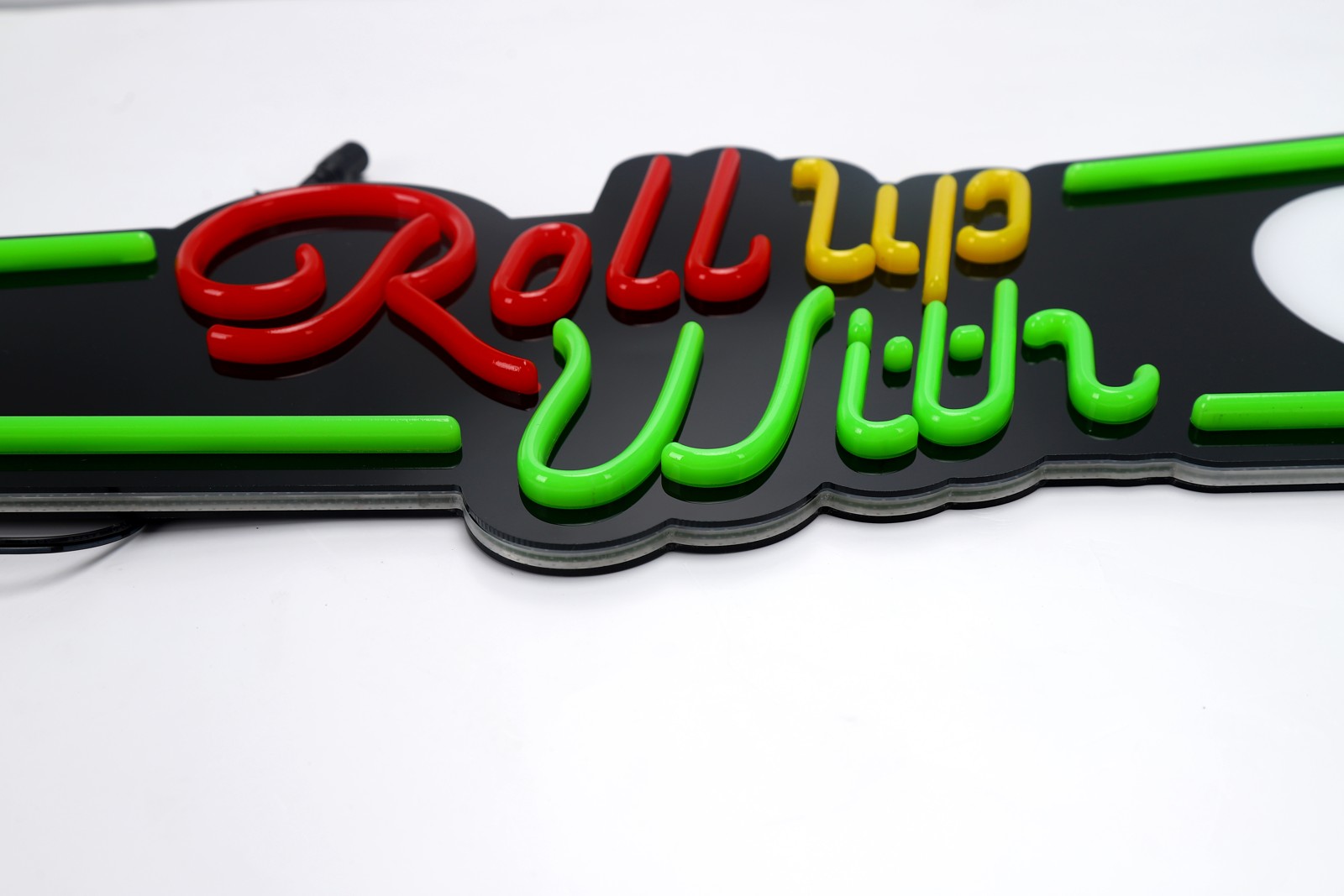
Light Box or LED Neon for a Detailed Logo? Start with the Artwork
Choosing a light box or LED neon for a detailed logo? Compare printed graphics, carved acrylic linework and hybrid options against the artwork you need to preserve.
Custom Sign Lead Time: Production Complete Is Not the Arrival Date
Planning signs for a store opening? Separate approval, production and transport, and confirm when the schedule starts for custom light boxes and LED neon signs.
Reordering Custom Light Boxes: What Must Match the Previous Order?
Planning another batch of custom light boxes? Confirm the approved version, size, structure, quantity and changed requirements before treating it as a repeat order.
Indoor vs. Outdoor LED Neon Signs: What Changes in the Specification?
Choosing LED neon for an indoor wall or an outdoor storefront? Compare exposure, power arrangements and evidence needed before approving your custom sign.
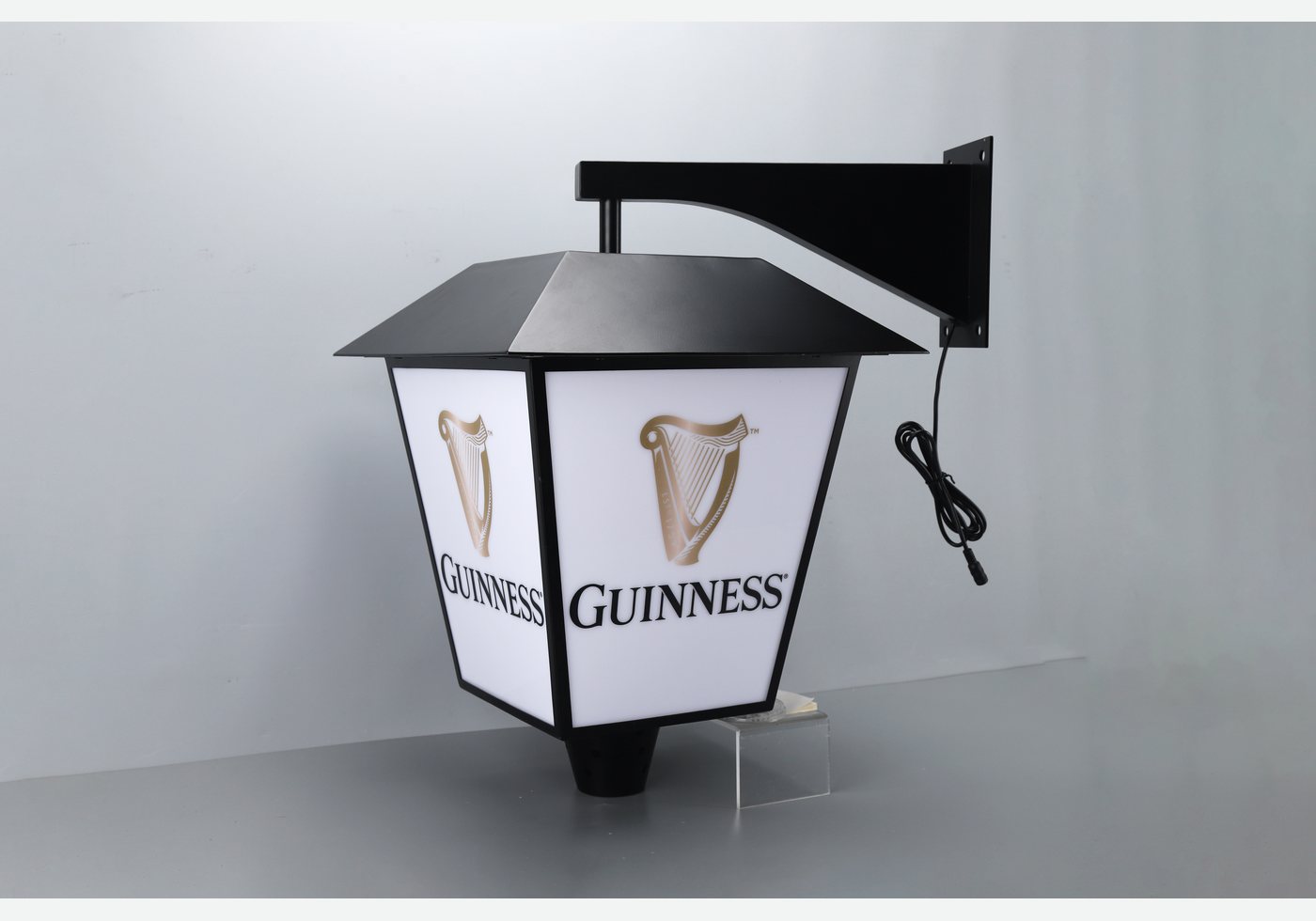
Wall-Mounted or Hanging Light Boxes: Choose the Position Before the Product
Compare wall-mounted and hanging light boxes for retail projects. Check viewing direction, supports, cable routes and service access before requesting a quote.

Before You Order a Custom Neon Sign: Confirm the Mounting and Cable Exit
Prepare your custom neon sign installation brief: fixing positions, cable exit, outlet location, power supply access and differences between store locations.
How to Review a Light Box Sample When You Cannot Visit the Factory
RUOMEI / BUYER’S GUIDEHow to Review a Light Box Sample...
Acrylic Neon Signs: What Does “Acrylic” Actually Refer To?
RUOMEI / BUYER’S GUIDEAcrylic Neon Signs: What Does...
Custom-Shaped vs. Rectangular Light Boxes: Which Fits Your Logo?
RUOMEI / BUYER’S GUIDECustom-Shaped vs. Rectangular Light...
Artwork for a Custom Neon Sign Quote: Is a Screenshot Enough?
RUOMEI / BUYER’S GUIDEArtwork for a Custom Neon Sign...
Ordering Custom LED Light Boxes in Bulk: What to Confirm Before Production
Planning a bulk light box order? Find out what to send for a quote, how to list sizes and quantities, and what to check before approving a sample and starting production.
What are some specific examples and effects of neon in commercial advertising?
Filling out a check for the first time or for the first time in a while? You might have questions, such as where to sign a check and how to write a check with cents.
Reliable Bulk Supplier for Custom Acrylic Night Lights | 6,000㎡ Facility
Filling out a check for the first time or for the first time in a while? You might have questions, such as where to sign a check and how to write a check with cents.
Get A Quote
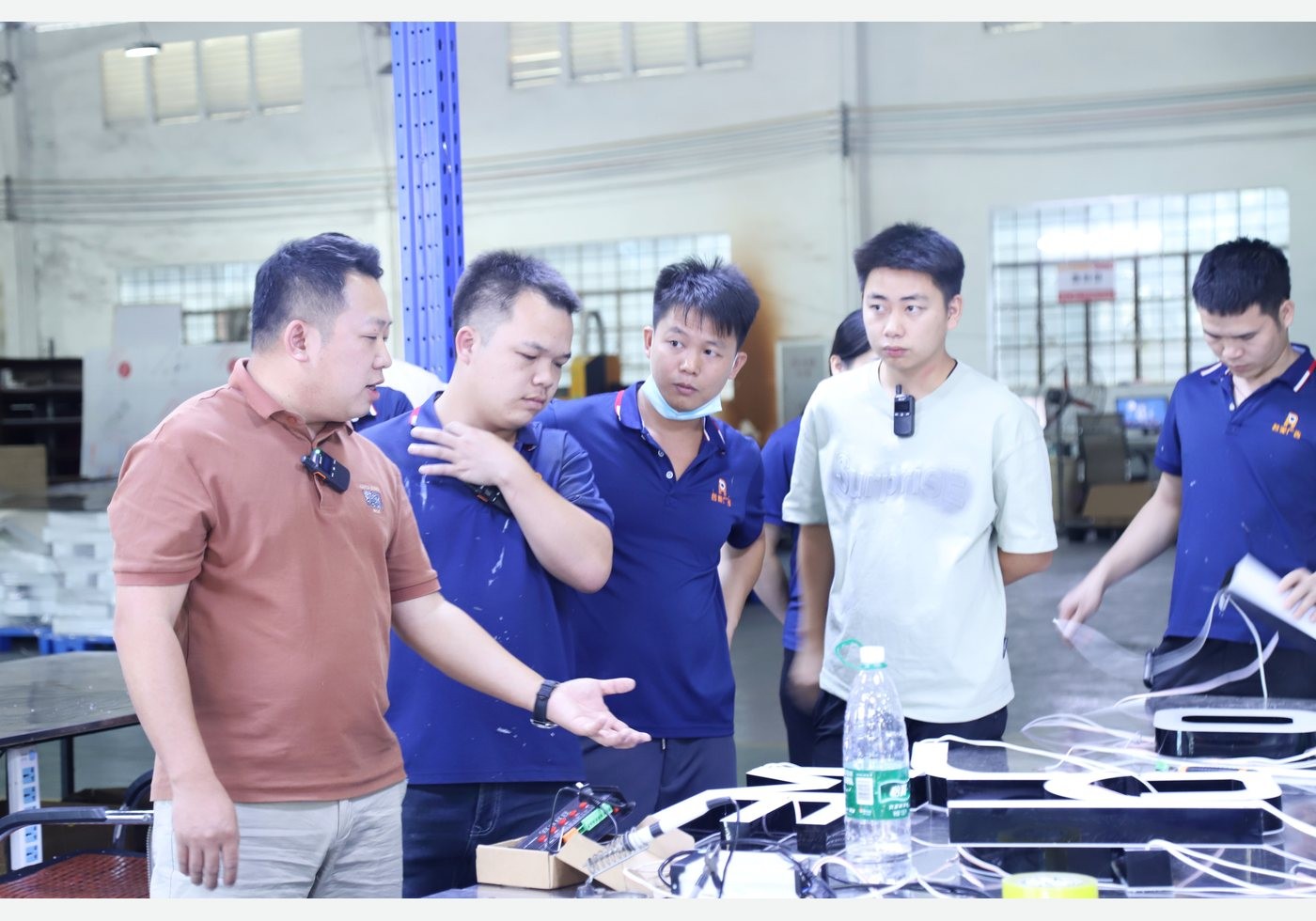
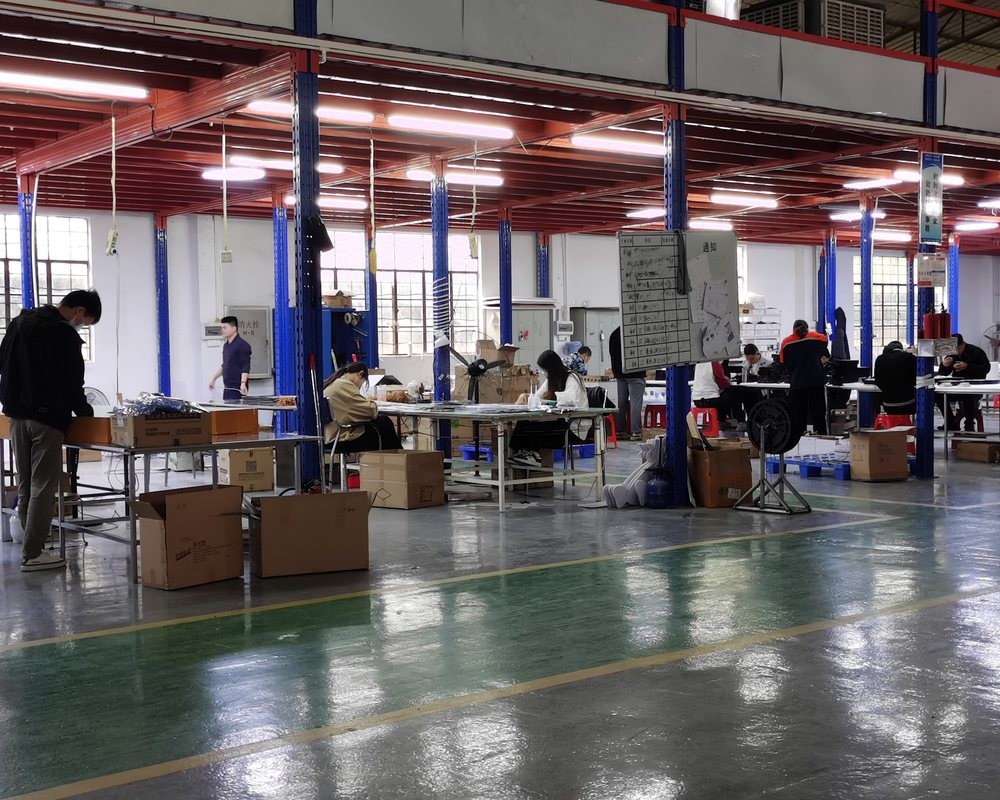
Ruomei is a professional manufacturer producing LED light-emitting products since 2014. The factory covers an area of 6,000 square meters and is dedicated to developing and producing diversified products, including LED light boxes, neon sign, abyssal mirrors, and LED night lights.
+86 15013342960 (Wechat, Whatsapp)
bowen@gd-rm.com
No 13 Junye Street, Gudong Industrial Park, Shawan Town, Panyu District, Guangzhou
0 Comments