
RUOMEI / BUYER’S GUIDE
How to Review a Light Box Sample When You Cannot Visit the Factory
One bright product photo is not a complete sample review. Agree what needs checking, request evidence for those points and record any open issues before you approve the sample.
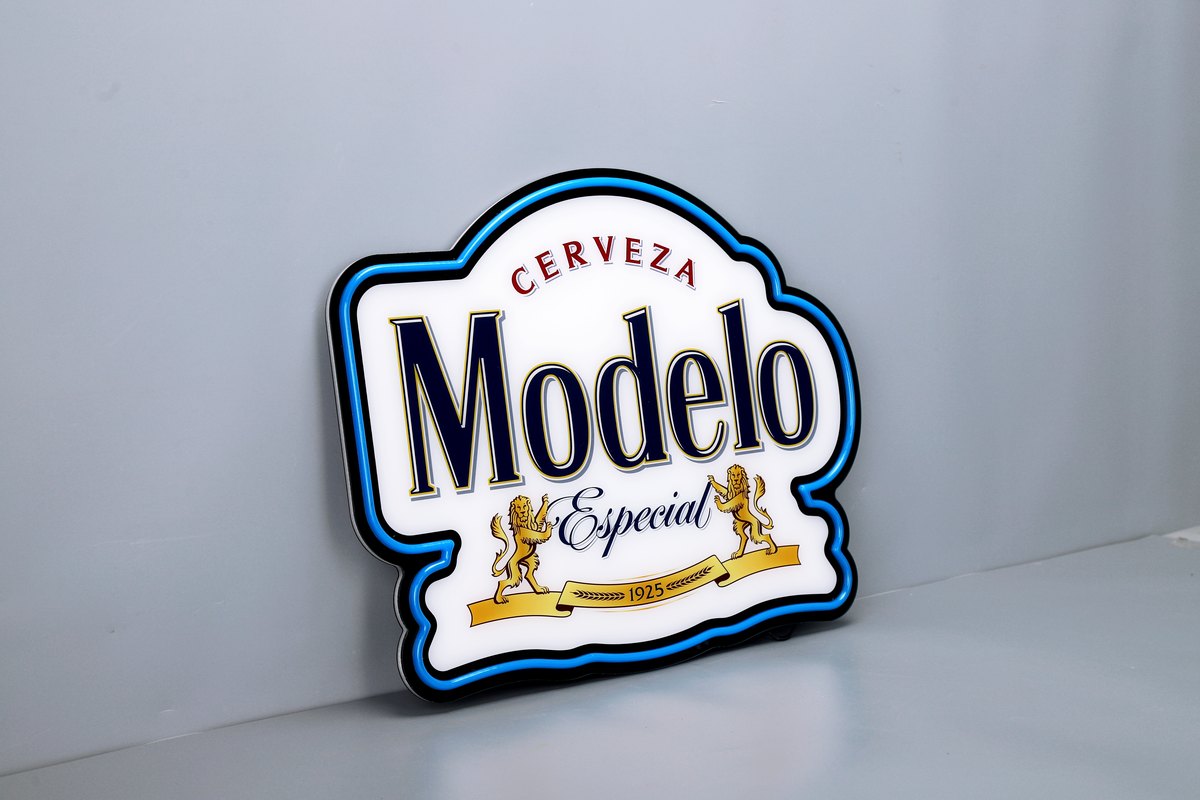
Product photograph used to illustrate a viewing angle. It is not an inspection record or evidence that a particular sample has been approved.
1. Decide what the sample must prove
Start with the approved drawing and configuration, not a collection of attractive reference photos. List the questions the sample needs to answer: artwork placement, finished dimensions, the lighting effect, mounting, accessories and packing.
Separate requirements that affect approval from preferences still under discussion. For example, confirming that the supplied cable exits at the agreed position is different from deciding that you now prefer it on the other side.
At RUOMEI, new customers can begin with a paid sample before deciding on a bulk order. It should represent the actual project as closely as possible. If the sample differs from the intended bulk version, identify the differences before reviewing it.
2. Request views that answer specific questions
| View to request | What to review | What still needs separate confirmation |
|---|---|---|
| Front, light off | Wording, artwork position, visible finish and edges. | Exact colour approval where a physical reference is required. |
| Front, light on | Overall appearance under stated room conditions. | Measured brightness or other specified test results. |
| Side and rear | Depth, cable exit and the proposed fixing arrangement. | Fit to your actual wall, fixture or installation space. |
| Accessories and packing | Items supplied, protection and how parts are arranged. | The agreed packing specification and transport requirements. |
Ask for an overall view as well as close-ups. A close-up can show an edge clearly while hiding the rest of the sign. Keep the sample identifier visible or link each set of files to its drawing version.
3. Keep the lighting comparison consistent
Request the viewing distance and ambient light conditions with the images. A sign photographed close up in a dark room is not the same review as a sign viewed from its intended position in a lit shop.
Camera white balance also changes how colours are represented. Nikon’s white balance guide demonstrates why the same scene can look different under different settings. A phone image should therefore not be the sole basis for approving a precise colour target.
For RUOMEI light boxes, lighting uniformity is compared at the agreed viewing distance, under the actual ambient conditions and against the approved sample. If an image raises a concern, request a repeat view under the agreed conditions before deciding whether the product needs changing.
4. Know when a physical sample is worth receiving
Photos and a video call can help you identify visible issues, but they cannot let your team handle the finish, try the sign in a fixture or judge it in the final room. If those points determine acceptance, arrange to receive the sample before giving final approval.
Ask what sample size and configuration will be supplied. A smaller demonstration piece may help discuss an effect, but it should not quietly become approval of a larger product with different artwork or mounting requirements.
RUOMEI explains sample charges, shipping and any necessary mould charges before making the sample. Bulk production follows sample approval and confirmation of the bulk specifications, price, payment and schedule.
5. Record a decision that can be acted on
“Looks good” can leave important questions open. Identify the sample and drawing version, say which items are approved and list any changes still required. Ask for confirmation that both sides understand the same next step.
This is a suggested review format, not a claim that every inspection has already been completed. Keep the approval record and its attachments together. A passed sample review also does not replace the checks agreed for bulk production.
6. Resolve changes before releasing the bulk order
First compare the issue with the approved drawing and configuration. Under RUOMEI’s confirmed policy, a manufacturing result that does not match the approved requirements is corrected or remade without a product correction charge. Customer changes after approval are different: additional material, labour, mould and transport costs are assessed and agreed in writing before proceeding.
Changes or delayed approval can also affect the schedule. Confirm the revised dates instead of assuming that the previous completion date still applies.
For your custom LED light box project, tell us what you need the sample to prove. Send the artwork or reference image, size and quantity to start, then identify any appearance or installation detail that requires your team’s approval.
FROM YOUR BRIEF TO THE NEXT STEP
Send us what you have so far.
A logo or reference photo, size and quantity will get us started. Include any questions about the design or installation.
Tell us about your project
Use the message field to describe your artwork and requirements.